The Official Community Design Plan defines Old Ottawa East as a distinct urban enclave situated between the Rideau Canal and the Rideau River.
Positioned south of the University of Ottawa and north of the McIlraith Bridge, the neighbourhood is anchored by Main Street, which serves as a central hub for the area's development, heritage character, and evolving residential landscape.
Characterized by a mixture of mature lots, long-established housing stock, and newer renewal sites, the community requires careful attention to infrastructure upgrades.
Homeowners should focus on proactive plumbing management to safeguard their basements against potential municipal system surcharges.
Understanding Backwater Valve Functionality
A backwater valve is a mechanical device installed on a main sewer lateral to manage reverse flow. It acts as a one-way gate, allowing wastewater to exit the residence while preventing sewage from re-entering during periods of municipal system stress. This system is critical for protecting finished basement spaces from the consequences of surcharge in the municipal lines. The decision to install a valve should be based on a site-specific risk assessment rather than neighborhood-wide assumptions, as individual home elevation and plumbing layout play the most significant roles in performance.
It is essential to recognize the limitations of this equipment. A backwater valve is designed specifically to mitigate sewer backups; it does not protect against surface water intrusion, rising groundwater levels, or flooding related to extreme weather events. Distinguishing between these causes of moisture is vital for homeowners planning a comprehensive home protection strategy. When planning for installation, consider that the valve mechanism must remain unobstructed to function during high-water events; therefore, selecting a location that allows for seasonal inspection is a critical decision point for homeowners in historic areas where basement floor space is often maximized for storage or living, yet requires clear access paths for plumbing maintenance.
Further technical guidance and comparison of protective measures like sump pumps versus backwater valves can be explored in detail. Proper selection depends on whether the primary concern is sanitary sewer backup or exterior groundwater hydrostatic pressure. Making the correct choice requires evaluating the home’s current drainage slope and existing sub-slab plumbing integration capabilities.
Related reading
Logistics for Old Ottawa East Residences
Properties in Old Ottawa East present varied logistical challenges due to the mix of historical home layouts and modern infill projects. In established homes, the main sewer lateral is often located beneath concrete slabs in finished basements, requiring careful planning to ensure the valve remains accessible for future maintenance and inspection needs. Decisions regarding installation often hinge on the accessibility of the main stack and the availability of slab space, which must be excavated precisely to house the valve box and lid.
Professional installers assess these site-specific constraints, including the depth of the drain, the condition of the existing slab, and the slope of the lateral line. Because each property has unique pipe configurations, professional evaluation is required to ensure that the valve is installed at the correct elevation to maintain proper flow and gravitational drainage efficacy. For many homeowners, the process begins with identifying the most efficient access point to minimize disruption to existing finished flooring or structural foundations while maintaining the integrity of the plumbing system's fall trajectory.
When planning for logistics, remember that retrofitting a valve in an older home may reveal secondary issues, such as outdated cast-iron piping that might require section replacement to ensure a secure, watertight seal for the new valve fitting. Coordination between the plumber and the property owner regarding the scope of site preparation—such as moving furniture or clearing storage areas near the main stack—is essential for a smooth installation workflow.
Related reading
Evidence Gathering via Camera Inspections
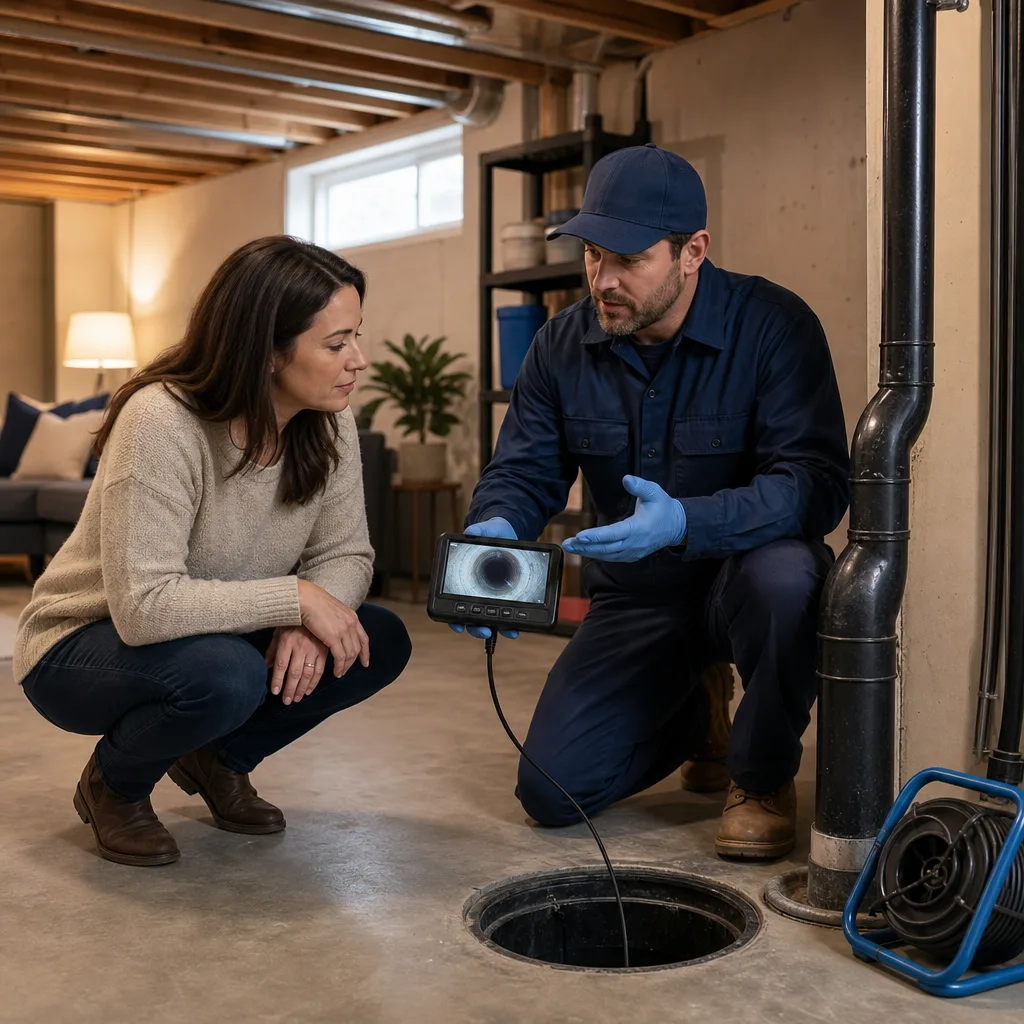
Prior to initiating any modification, a drain camera inspection is a standard practice for gathering physical evidence of the current state of the home's plumbing. This procedure provides visual data on pipe conditions, identifying potential obstructions or structural defects that could affect the long-term performance of a new backwater valve installation. For homes in Old Ottawa East with older infrastructure, this diagnostic step is particularly useful to determine if the lateral pipe has the necessary structural integrity to support a new valve installation or if a liner/pipe replacement is required beforehand.
While video evidence offers valuable insight into the interior of the drainage system, homeowners should view it as a diagnostic tool rather than a comprehensive certification. It helps technicians understand existing conditions, which is necessary for creating an effective installation plan that aligns with the specific realities of a property’s subterranean infrastructure. Using this data helps in selecting the correct valve size and type, ensuring that the installation does not create unintended flow restrictions or bottlenecks in the home's primary drainage path.
Decision-making for camera inspections involves choosing whether to perform a simple visual check or a comprehensive report including pipe locating services. Knowing the exact depth and route of the pipe beneath the basement slab allows for more accurate planning of the excavation footprint, potentially saving on concrete restoration costs by ensuring the hole is cut precisely where the valve housing will be placed.
Related reading
Navigating City Permits and Standards
Municipal requirements for plumbing modifications are designed to ensure safety and code compliance. Homeowners should verify current permit requirements directly with the City of Ottawa or a qualified professional before beginning any project. These regulations help ensure that plumbing changes are documented and reflect the standard of workmanship required for local drainage systems. The permit process also ensures that the installation is reviewed for alignment with current plumbing bylaws, which dictate how valves should be located in relation to other fixtures.
Avoid DIY approaches for this type of plumbing infrastructure. A professional must review the configuration to confirm that the installation will not negatively impact existing sanitary or storm drainage systems. Proper coordination with authorities ensures that all work remains compliant with current municipal building and plumbing standards, and allows for the necessary inspections that verify the installation meets the manufacturer's specifications for sealing and flow orientation.
When preparing for the permit stage, it is useful to maintain a clear file of all plumbing plans and any previous inspections. This documentation is not only vital for current compliance but also serves as proof of standard-compliant work for future property assessments or potential real estate transactions. Always ensure your plumbing contractor is familiar with local building permit application procedures, as they will typically manage the submission and scheduling of necessary municipal site inspections.
Related reading
Residential Protective Plumbing Program
The City of Ottawa manages the Residential Protective Plumbing Program (RPPP), which may offer financial assistance to eligible homeowners for specific upgrades. Participating in this program requires strict adherence to the application process, including verifying current eligibility status and ensuring all procedures are followed as dictated by the City's guidelines. Homeowners should treat the application as a formal project step that must be completed before any physical work begins, as retroactively applying for funding is generally not permitted.
Approval for financial support is not automatic or guaranteed. It is essential to consult official resources regarding the specific requirements for your property before commencing work. Maintaining clear communication with the City ensures that your project remains eligible for potential funding consideration, provided all criteria are met throughout the installation sequence. Decisions regarding the program should include a review of the latest rebate caps and the specific types of valves or devices that qualify under the current terms of the program.
For those navigating the rebate guide, focus on the distinction between sanitary backwater valves and sump pump installations, as both may have different requirements and funding thresholds. A successful application requires precise documentation, including contractor estimates and proof of compliance with installation standards. Keeping detailed records of the interaction with the municipality throughout the application will simplify the final reimbursement phase.
Related reading
Ensuring Long-Term Maintenance
Installing a backwater valve is the start of a long-term maintenance commitment. Because the valve is a mechanical component, it must be kept free of debris to function correctly. Regular access to the valve cover is necessary to allow for routine inspections and cleanings, which prevent the gate from becoming obstructed. This decision-making process should prioritize future maintenance; if a chosen installation location makes access difficult—such as being located underneath heavy appliances or built-in cabinetry—it will significantly increase the long-term cost and difficulty of keeping the device operational.
Homeowners should treat these valves as essential infrastructure that requires consistent professional attention. Regular scheduling of maintenance ensures that the device remains in optimal condition, providing the level of protection intended by the installation and reducing the likelihood of mechanical failure when the system is under pressure. Maintenance tasks usually include inspecting the seal, checking the hinge movement of the flapper, and cleaning the internal basin to ensure no debris buildup impedes the gate's ability to seal correctly during a backup event.
Developing a custom maintenance plan involves setting reminders for biannual checks, especially before the spring thaw or heavy autumn rain seasons. Integrating these checks into your home maintenance calendar is an effective strategy. Should you encounter any difficulty accessing the device, consulting with a professional to discuss potential modifications or to confirm that the current installation remains compliant and accessible is a proactive way to maintain your home’s drainage integrity.
Related reading
Engaging Professional Expertise
Navigating the complex drainage layouts inherent in established neighborhoods like Old Ottawa East requires specialized expertise. Qualified plumbing professionals understand the technical nuances required to protect homes effectively while adhering to the rigorous safety protocols demanded by municipal work. Choosing a professional involves evaluating their experience with retrofitting valves into existing concrete foundations, as this process requires specific tools to maintain floor levelness and structural slab integrity while managing the surrounding plumbing lateral accurately.
Choosing an experienced provider ensures that the installation is handled with precision. By relying on experts who understand local drainage configurations, homeowners can be confident that their protective systems are set up correctly, reducing the risks associated with improper integration or non-compliant installations. When consulting with potential service providers, ask about their experience with the specific soil and drainage conditions common in the local area, as well as their familiarity with the City of Ottawa’s permit application and RPPP submission standards.
The value of professional engagement extends beyond the initial installation. Experts can provide guidance on the selection of high-quality valves that offer improved durability and easier inspection interfaces compared to standard models. By investing in professional oversight from the start, homeowners ensure that their protective plumbing project is not just a one-time construction task, but a reliable, long-term solution for their property's drainage management.
Related reading
The Execution of the Installation
The installation workflow involves uncovering the main lateral and integrating the valve into the system in accordance with established engineering standards. This precise work ensures that the valve functions as intended within the home's existing plumbing layout, regardless of the building's age. During the execution phase, the installer must account for proper pitch and connection sealing, ensuring that the new valve housing is perfectly level to prevent the gate from sticking in either the open or closed position prematurely.
Post-installation, the area is restored, and the valve remains accessible for future maintenance. Proper execution is fundamental to the long-term success of the installation, ensuring that the homeowner has a reliable system in place to help mitigate the risk of reverse flow through the drains. The process concludes with a final cleanup and, in many cases, a verification test to ensure all components are sealed correctly before the area is backfilled and the concrete slab is restored to a durable, finished surface.
The technical execution also requires that the installer verifies the valve’s position relative to the basement's floor drains and other fixtures. This ensures that the backwater protection covers all appropriate plumbing lines as intended by the design. By maintaining focus on quality materials and precise structural integration during the installation, the plumbing system gains a robust defense against unwanted reverse flow, tailored to the specific flow volume and velocity of the household’s drainage output.
Related reading
Insurance and Liability Perspectives
While a backwater valve serves as a crucial risk-reduction measure, it does not act as an absolute guarantee against all potential flooding events. It is a targeted defense mechanism, not a complete solution for all subterranean water issues or system capacity challenges. Understanding the limitations of your valve—specifically that it is designed for sanitary line reverse flow and not for hydrostatic groundwater intrusion—is essential for making informed decisions regarding your home's total flood protection and insurance coverage requirements.
Homeowners should engage with their insurance providers to discuss how these protective measures influence their specific policies. No installation provides a guarantee of insurance premium changes or claim approvals. Understanding these financial aspects is as important as the physical installation itself for comprehensive property management. It is advisable to document the installation with photographs and the final plumbing permit to provide clear evidence of your proactive maintenance and risk-reduction efforts to your insurer.
When communicating with insurance, focus on the fact that you have taken industry-standard precautions to maintain your home’s plumbing health. This transparency can be helpful during policy reviews. Always keep a file of all maintenance logs for the valve, as consistent servicing records demonstrate a commitment to risk mitigation that aligns with the expectations of most residential property insurance providers regarding basement and sewer backup protection.
Old Ottawa East backwater valve FAQ
Can I perform a DIY backwater valve installation in Old Ottawa East?
No. Due to the complexity of municipal plumbing codes and the requirement for professional integration with the sewer system, you should not attempt this as a DIY project. It must be performed by a qualified professional to ensure safety and compliance.
Does a backwater valve provide a 100% guarantee against basement flooding?
No. A backwater valve is a specific tool to mitigate sewer backup through drain lines. It does not prevent flooding caused by surface runoff, high groundwater, or other environmental sources that may affect your home.
Does the proximity of the Rideau River increase my sewer backup risk?
No. While the Rideau River is a prominent feature of Old Ottawa East, proximity to the waterway does not inherently determine your specific sewer backup risk. Municipal sewer system capacity and local home plumbing configurations are the primary factors in flood risk.
Is the City of Ottawa RPPP rebate guaranteed for my home?
No. Participation in the Residential Protective Plumbing Program is subject to City criteria, and eligibility is never guaranteed. You must follow all application steps and obtain official approval before starting any installation to be considered for funding.
What is the primary role of a backwater valve?
The primary role is to serve as a mechanical barrier that prevents municipal sewage from flowing backward into your home through the sanitary or storm drains during times of municipal system surcharge.
How often should I service my backwater valve?
Regular maintenance is required to ensure the device remains free of debris and operational. You should coordinate with a plumbing professional to establish a maintenance schedule that ensures the valve gate is always functioning as intended.
Does a camera inspection guarantee my pipes are in good condition?
No. A camera inspection is a tool for visual evidence gathering. While it helps detect visible blockages or defects, it is not a guarantee of the entire system's future integrity or a certification that no issues exist.
Sources and official references
- Old Ottawa East Community Design Plan
- City of Ottawa RPPP
- City of Ottawa Backwater Valve Permits
- City of Ottawa Urban Flooding FAQ
- Lister Plumbing
Programs, permits and bylaws change. Confirm current requirements with the City of Ottawa before acting.
Questions about your Old Ottawa East home?
Ask a local plumber, without pressure.
Requests are sent to Lister Plumbing, who serve homes across all Ottawa areas listed here. A request is not a commitment, and no price is promised before someone looks at your plumbing.