Overbrook, situated between the Rideau River and St. Laurent Boulevard, features a diverse architectural landscape ranging from established single-family detached homes to modern townhouses and multi-unit apartment complexes. Given the neighborhood's proximity to the Rideau River and the influence of major transit corridors like the Queensway and Coventry Road, homeowners are increasingly focusing on proactive basement protection. Understanding the complexities of local infrastructure and private property drainage is a critical first step for residents looking to mitigate the risks associated with urban flooding, as the area's varied housing stock presents unique challenges for plumbing upgrades.
Installing a backwater valve serves as a mechanical defense against the backflow of municipal sewer water into a home's lower level during heavy storm events. In a community defined by its mix of historic and contemporary redevelopment, professional site assessments are necessary to determine the compatibility of existing plumbing systems with modern protective devices. Because municipal drainage configurations can vary significantly even within small geographic pockets, relying on expert guidance ensures that any chosen solution adheres to current building standards while respecting the specific structural realities of both detached homes and shared-ownership properties within the Overbrook-McArthur secondary plan area.
How Backwater Valves Function
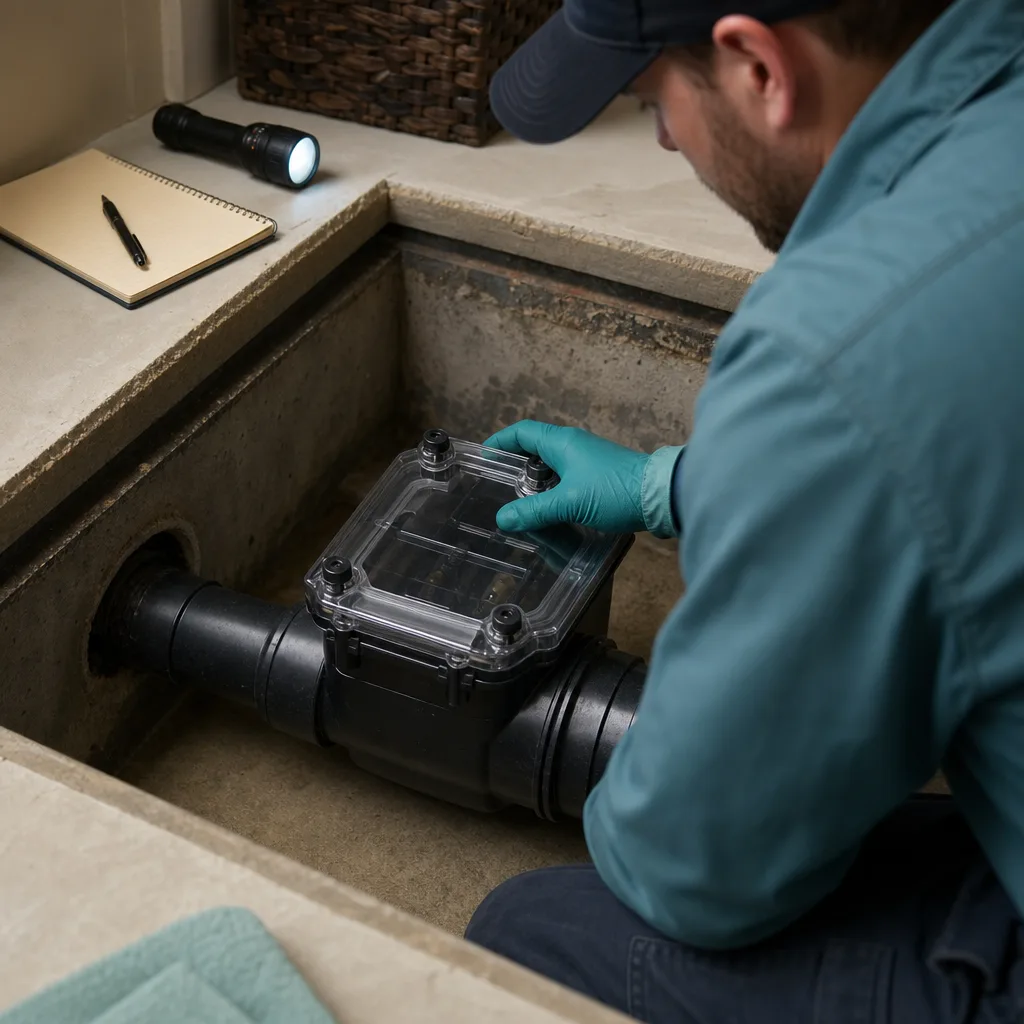
A backwater valve is a one-way mechanical device installed on the main building sewer line. Its primary function is to permit the outward flow of wastewater while automatically closing a flap if sewage attempts to reverse direction toward the home. This protection is vital during surcharge events in the municipal sewer system, which can be caused by extreme weather patterns or overloaded infrastructure.
It is essential to clarify that a backwater valve is not a universal solution for all types of basement flooding. It specifically targets reverse flow through the sewer pipe, meaning it does not prevent water infiltration caused by groundwater, surface runoff, or foundation seepage. A thorough assessment by a qualified plumbing professional is required to distinguish between these different moisture sources and determine if a valve is the appropriate intervention for a specific residential building.
Related reading
Varied Building Forms in Overbrook
The housing stock in Overbrook is remarkably diverse, encompassing older detached residences alongside modern infill townhouses and apartment-style living. Each building form presents different requirements for valve installation. For instance, in older properties, the main drain might be encased in concrete or located in areas that are not readily accessible, requiring careful planning to ensure the valve remains maintainable.
In shared or condo-style developments, determining who holds responsibility for plumbing alterations can be complex. Residents must review their property status to understand whether the sewer line is categorized as a common element or a private unit responsibility. Consulting with building management or property boards is the first step in aligning any proposed backwater valve installation with the broader maintenance policies governing these communal living structures.
The Role of Professional Assessment
There is no one-size-fits-all approach to plumbing protection in Overbrook. A qualified plumbing professional must evaluate the existing plumbing geometry to identify the most effective location for a valve. This process involves examining the layout of main drains and ensuring the installation does not inadvertently block other branch lines, which could cause internal plumbing failures if improperly configured.
Attempting to bypass professional assessment in favor of do-it-yourself methods is strongly discouraged. Because the installation involves modifying the main building drain, any errors in pipe slope, valve orientation, or coupling integrity can lead to significant plumbing issues. Professional contractors bring the necessary expertise to navigate these structural variables safely, ensuring that the installation serves its intended protective purpose without creating new risks for the homeowner.
Related reading
Maintaining Functional Protection
A backwater valve is a mechanical component that requires regular maintenance to remain functional. Over time, debris such as grease, sediment, or solid waste can accumulate near the flap, potentially preventing it from sealing correctly during a surcharge. Homeowners should ensure that the valve remains accessible through a dedicated floor access panel to allow for routine inspections and cleaning as recommended by the device manufacturer.
Accessibility is often a challenge in finished lower levels or basements that have been renovated into living spaces. During the initial installation planning, homeowners should account for the placement of access points so that maintenance can be performed without extensive demolition. Establishing a clear, unobstructed path to the valve is a fundamental aspect of long-term property maintenance, ensuring that the safety device remains a reliable component of the home's plumbing system.
Related reading
Navigating City Permit Requirements
Major plumbing modifications in Ottawa, including the installation of backwater valves, typically require a building permit. This regulatory step ensures that the work complies with the Ontario Building Code and local municipal standards. The permitting process is not merely a formality but a safeguard that documents the structural changes made to a residence's sanitary or storm drainage systems.
Homeowners should contact the City of Ottawa permit authority or work with a qualified professional to confirm the current project requirements. Policies can shift based on specific lot conditions and the nature of the building, so verifying the need for a permit prior to starting any physical work is essential. Utilizing resources like the City's online permit checklist can help residents prepare for the application process effectively.
Related reading
Available Rebates and Grants
The City of Ottawa offers the Residential Protective Plumbing Program (RPPP), which may provide financial assistance to eligible homeowners for the installation of protective plumbing devices. This program is designed to help reduce the risk of basement flooding, but it is important to note that acceptance and funding are subject to strict eligibility criteria and municipal availability.
Prospective applicants should carefully review the RPPP guidelines provided by the city before committing to any project. It is vital to recognize that eligibility is not guaranteed and that program details may be subject to change. Homeowners should never base their decision to proceed with an installation solely on the expectation of a rebate, as compliance with all program stipulations is necessary for potential reimbursement consideration.
Related reading
Using Drain Camera Inspections
Before finalizing a decision on valve installation, many professionals recommend a drain camera inspection. This non-invasive diagnostic tool allows technicians to view the interior of the sewer line, identifying blockages, root intrusions, or structural defects that might hinder the performance of a backwater valve. It serves as essential evidence for planning the most effective installation strategy.
A camera inspection does not guarantee that a valve will solve all basement water issues, but it provides a clearer picture of the drain's current condition. In neighborhoods with varied housing ages like Overbrook, knowing the state of the pipe material and its internal configuration helps avoid surprises during the excavation process. Integrating camera diagnostics into the planning phase is a prudent step toward informed property management.
Related reading
Recognizing System Limitations
It is crucial to have a realistic understanding of what a backwater valve can and cannot achieve. While these devices are highly effective at preventing sewage backflow during municipal surcharge events, they do not provide protection against flooding resulting from surface runoff, groundwater table rise, or failed foundation drainage. A valve is a singular component of a broader property water management strategy.
Relying on a valve as the sole protection against all water-related basement issues is a common misunderstanding. Homeowners should evaluate their entire property, including lot grading, eavestrough discharge points, and foundation waterproofing, in addition to internal plumbing protections. By addressing multiple potential water ingress points, residents can build a more comprehensive defense strategy that is better suited to their specific home's vulnerabilities.
Selecting the Right Contractor
When planning a backwater valve installation, the selection of a reputable contractor is paramount. Residents are encouraged to seek professional services that have demonstrated experience with residential plumbing and current city standards. While external resources like Lister Plumbing provide insights into local installation practices, it is the responsibility of the property owner to confirm that the professional they hire understands the specific nuances of Ottawa's municipal drainage environment.
Communication is key during the consultation process. Ask prospective contractors about their approach to permit acquisition, their experience with the RPPP, and their methodology for ensuring that the installation aligns with the structural integrity of the home. By prioritizing professional qualifications and clear communication, homeowners can better ensure that the installation is performed safely and in accordance with the regulatory environment governing the Overbrook community.
Related reading
Overbrook backwater valve FAQ
Is a backwater valve mandatory for all homes in Overbrook?
No, there is no blanket requirement for backwater valves in existing homes across Ottawa. Whether a valve is recommended depends on a professional assessment of the property's specific plumbing layout, historical risk factors, and building structure. While new builds may have different codes, retrofitting older homes in neighborhoods like Overbrook is typically a voluntary decision based on a homeowner's desire to reduce potential flood risks from the municipal sewer system.
Does the City of Ottawa pay for the entire installation cost through the RPPP?
The Residential Protective Plumbing Program provides financial assistance for eligible work, but it does not necessarily cover the entire cost of installation. The rebate amounts are subject to specific caps and municipal guidelines, and participation is contingent upon meeting rigorous eligibility criteria. Homeowners should review the city's official program documentation thoroughly to understand what portion of the project costs may be reimbursed and what requirements must be met for approval.
How often should I have my backwater valve inspected?
Maintenance should be conducted at least once a year, or as recommended by the device manufacturer. Regular inspections are critical because valves can accumulate debris that prevents them from sealing properly during a sewer backup. If your valve is located in a finished basement, ensure the access panel remains unobstructed so that you or a professional plumber can easily perform these periodic checks to verify the device remains in good working order.
Can a backwater valve prevent my basement from flooding during heavy rain?
A backwater valve is specifically designed to stop sewage from backing up through your pipes due to a municipal sewer surcharge. It is not an all-encompassing flood prevention solution. If your basement flooding is caused by water leaking through foundation cracks, surface water flowing toward your home, or sump pump failure, a backwater valve will not provide protection. It only addresses the specific mechanism of reverse flow through your main building drain.
Do I need a building permit for an installation in Overbrook?
In most cases, yes. Installing a backwater valve involves modifying your building’s drainage system, which typically requires a plumbing permit from the City of Ottawa. This ensures that the installation meets the Ontario Building Code requirements for safety and function. You should consult with your hired plumbing contractor or contact the city's building department to confirm the specific permit requirements for your particular project, as site conditions can vary significantly between properties.
What is the difference between a backwater valve and a sump pump?
These devices serve different purposes. A backwater valve is installed on your main sewer line to prevent municipal sewage from entering your home during a surcharge. A sump pump is designed to collect water from around your foundation and pump it outside to prevent groundwater from flooding your basement. They often work together as part of a complete basement protection system, but one cannot replace the function of the other.
Will installing a valve guarantee that my basement stays dry?
No professional can guarantee that a basement will remain dry, as flooding can occur from various sources not covered by a backwater valve. While a valve is a highly effective tool for preventing specific types of sewer backups, it should be viewed as one element of an overall flood mitigation strategy. Other factors, such as proper exterior lot grading and foundation integrity, are equally important in maintaining a dry and safe lower level.
Sources and official references
- City of Ottawa: Residential Protective Plumbing Program
- City of Ottawa: Backwater Valves Permit Information
- City of Ottawa: Urban Flooding FAQ
- Lister Plumbing: Backwater Valve Installation
Programs, permits and bylaws change. Confirm current requirements with the City of Ottawa before acting.
Questions about your Overbrook home?
Ask a local plumber, without pressure.
Requests are sent to Lister Plumbing, who serve homes across all Ottawa areas listed here. A request is not a commitment, and no price is promised before someone looks at your plumbing.