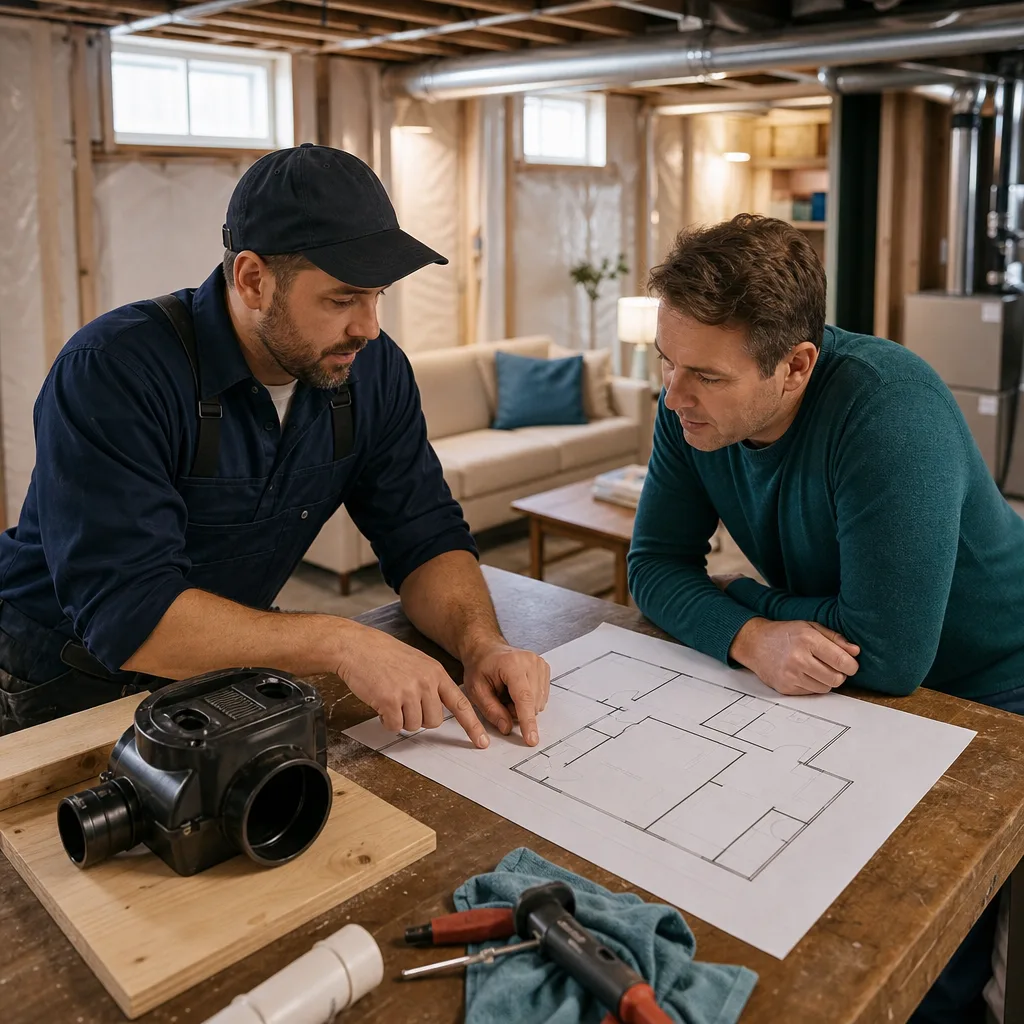
South Keys, situated in southern Ottawa near the intersection of Bank Street and Hunt Club Road, presents a diverse residential landscape. Homeowners and property managers in this transit-oriented area, which spans from retail hubs to established suburban pockets, must navigate complex considerations regarding sewer system protection. Backwater valves serve as a critical mechanical defense, designed to prevent the reverse flow of municipal sewage into home fixtures during surcharge events. Given the area's mix of detached homes, townhouses, and condominium complexes, understanding the technical and administrative requirements for installation is a vital step in proactive property management.
Property owners in South Keys should prioritize professional assessment before considering installation. Because the region features a varied infrastructure density—from the South Keys transit station corridor to quiet residential streets—it is impossible to infer sewer connection types based on property age or style alone. Engaging with qualified plumbing professionals is necessary to determine if a valve is appropriate for a specific dwelling. Furthermore, the installation process requires strict adherence to local municipal regulations, including permit acquisition and potential coordination with existing utility lines. Residents must consult official city resources to ensure that any upgrades remain compliant with current building codes and eligibility standards for local protective plumbing programs.
Navigating Ownership and Condo Regulations
In the South Keys community, many residents live in condominium or rental properties where the demarcation between common elements and individual units is defined. Before planning a backwater valve installation, owners must consult their condo board or property management documentation to determine responsibility. Often, the main building drains are considered common property, which may restrict individual unit owners from performing independent plumbing modifications without authorization.
communication is essential for unit owners seeking to enhance their flood protection. Failure to secure formal approval or to verify the impact of modifications on the building's collective plumbing system can lead to administrative hurdles or costly reversals. Professionals tasked with the project must coordinate with the relevant management bodies to ensure that any structural changes meet building-wide safety standards and legal requirements.
Related reading
The Importance of Renovation Records
Maintaining accurate documentation is a cornerstone of responsible property ownership in Ottawa. When planning a backwater valve installation, owners should review past renovation records, including plumbing permits, site plans, and inspection reports. These documents provide crucial insights into how a home’s drainage system was originally configured and how previous repairs might have altered existing infrastructure. Access to this information can significantly streamline the planning phase for licensed plumbing contractors.
In cases where historical documents are missing or incomplete, a professional assessment becomes even more critical. Older homes in South Keys may have undergone several renovations, potentially masking previous plumbing upgrades or non-standard configurations. By consulting official records and working with experienced professionals, owners can ensure that new installations are integrated seamlessly into the existing system, reducing the risk of unforeseen complications during the construction process.
Related reading
Utility Locating Requirements
Before any excavation or invasive work begins, utility locating should be addressed as a safety requirement by the project professional. In the densely developed areas around Bank Street and the South Keys transit hub, underground infrastructure is complex. Private and public utility lines, including gas, water, and telecommunications, often run near residential foundations. Professional contractors are responsible for requesting locates to prevent accidental damage, which could cause service disruptions or safety hazards for the surrounding neighborhood.
Utility locating serves as a vital safeguard for the property owner. By accurately identifying the placement of underground services, contractors can adjust the scope of work to avoid sensitive areas. This process should be strictly managed by qualified professionals who are familiar with the specific geography and utility mapping protocols of the Ottawa region. Engaging with this step ensures that the installation process remains safe and compliant with regional safety regulations.
Managing Site Access and Parking
The South Keys area, characterized by high-traffic corridors and busy retail proximity, presents unique logistical challenges for plumbing work. Projects requiring large equipment or multiple days of site access must account for local parking restrictions and pedestrian traffic. Contractors should coordinate with residents or property managers to establish a clear plan for vehicle staging and material delivery, ensuring that site access does not impede the daily flow of the neighborhood.
Efficient planning is particularly important for townhouses and condominium complexes where space is often at a premium. Clear communication regarding work hours and potential lane or sidewalk closures can mitigate frustration among neighbors. By addressing site access and parking logistics early in the planning process, project managers can ensure that the installation proceeds without causing undue disruption to the South Keys community.
Adapting to Transit-Area Urban Development
South Keys is experiencing significant urban intensification, particularly around the OC Transpo station and major thoroughfares. This development can alter local drainage patterns and impact the soil conditions surrounding residential foundations. As the neighborhood continues to densify, the pressure on municipal drainage infrastructure may evolve. Property owners should remain aware of how these regional changes might influence their long-term flood mitigation strategies and property-specific drainage requirements.
Staying informed about the City of Ottawa’s long-term community design plans for the Bank Street corridor is recommended. While individual backwater valve installation remains a personal property decision, understanding the broader context of urban change helps homeowners make informed choices. Consulting with plumbing professionals who possess local expertise allows residents to align their flood protection efforts with the changing realities of the South Keys urban landscape.
Understanding Sewer Arrangements
A common misconception is that one can determine the type of sewer arrangement—whether sanitary or storm—based solely on the age, style, or specific street location of a home in South Keys. In reality, internal drainage configurations can vary drastically even between adjacent houses. No contractor can guarantee a specific sewer type without conducting a thorough on-site evaluation, typically involving evidence gathering through specialized tools.
It is important to remember that a backwater valve is a specific mechanical device intended to block reverse flow through a protected drain. It is not a panacea for all types of basement flooding. Surface water infiltration or foundation cracks require different remediation methods. Professionals must assess each property individually to determine if a valve is the appropriate solution for the specific risks identified on-site.
Related reading
The Role of Drain Camera Inspections
Evidence gathering is a critical component of any plumbing assessment. Drain camera inspections offer a non-invasive way for professionals to visualize the interior condition of sewer lines. By identifying obstructions, root intrusion, or structural defects, these inspections provide the data needed to make informed decisions about whether to proceed with backwater valve installation. This diagnostic tool is essential for uncovering hidden issues before any work begins.
Camera inspections should be conducted by experienced technicians who can accurately interpret the findings in the context of the specific property. While these inspections provide valuable evidence, they do not guarantee the total prevention of future flooding. Instead, they serve as a foundation for a tailored installation plan, ensuring that the chosen defensive measures are appropriate for the state of the home's existing drain system.
Related reading
Seeking Professional Guidance
Attempting DIY plumbing installations is strongly discouraged due to the risks involved in altering foundational drainage. Professional plumbing experts bring the necessary expertise to manage complex installations, ensure compliance with building codes, and verify that the valve is installed correctly. Professional assessment includes evaluating the specific site conditions of a South Keys home, which is a step that cannot be bypassed or shortcut by non-experts.
When selecting a professional, verify their experience with local municipal requirements and their ability to work with official city programs. A reputable contractor will not make promises regarding insurance discounts or guaranteed rebate success. Instead, they will provide a transparent assessment of the project requirements, permit status, and the technical scope of the proposed installation, ensuring the work is conducted safely and effectively.
Related reading
Compliance and Permit Authorities
Permits are a critical aspect of any plumbing project in Ottawa. Property owners must consult the appropriate municipal building permit authority to confirm if their specific installation requires a permit. Because regulatory requirements can change, the latest information should always be sourced from the official City of Ottawa building and renovation pages. Adherence to these regulations is not merely an administrative task; it ensures the work meets established safety and construction standards.
Furthermore, eligibility for government-funded rebate programs is never guaranteed and must be verified through official channels, such as the Residential Protective Plumbing Program. Owners should avoid relying on anecdotal claims regarding these processes. Always verify current project requirements directly with the City or a qualified professional to ensure that all documentation and installation steps align with the most recent municipal guidelines and safety protocols.
Related reading
South Keys backwater valve FAQ
Is a backwater valve a total solution for flooding in South Keys?
No, a backwater valve is not a universal solution. It is designed to block reverse flow through specific sewer pipes to prevent municipal sewage from backing up into your home during a surcharge event. It does not protect against flooding caused by surface water, foundation cracks, or seepage. A professional assessment is required to determine the specific source of flood risk for your South Keys property and whether a valve is an appropriate component of your broader mitigation strategy.
Do I need a building permit for my installation?
Yes, building permits are typically required for plumbing alterations, including the installation of a backwater valve. Requirements can change, so it is essential to consult the official City of Ottawa building and renovation permit page to verify the current status for your project. Your professional plumbing contractor should confirm the necessary permit requirements for your specific installation before any work commences, ensuring that your project remains fully compliant with all municipal building codes and safety regulations.
Can I perform the installation myself to save money?
DIY plumbing installation for backwater valves is strongly discouraged and may not comply with municipal safety standards. These installations require specialized knowledge of drainage systems, proper utility locating, and adherence to structural building codes. Improper installation can result in significant property damage or failure of the device during a flood event. Engaging a qualified plumbing professional is necessary to ensure the work is performed safely, correctly, and in accordance with all applicable city regulations and building standards.
Does my condo board allow me to install a valve?
In many condominium properties in South Keys, the main drainage systems are categorized as common elements, meaning individual unit owners may not have the legal authority to modify them. You must review your specific condo corporation's bylaws and consult with your board of directors or property management team before considering any work. They will provide the official guidance on what modifications are permissible and whether you require formal written approval to proceed with a private drainage installation.
Will a valve guarantee my eligibility for a rebate?
No, a backwater valve installation does not automatically guarantee eligibility for government rebates like the Residential Protective Plumbing Program. Eligibility depends on various factors, including the type of property, existing municipal programs, and strict adherence to official permit and inspection processes. You must verify current eligibility criteria and application procedures directly through the City of Ottawa’s official website. Never assume that an installation will be eligible for financial assistance without confirming the details with the relevant municipal department.
How do I know if my South Keys home needs this protection?
The only reliable way to determine if a backwater valve is necessary is through a professional assessment. Because sewer and drainage arrangements vary widely throughout South Keys regardless of housing style or street, you cannot infer the risk level by looking at your home's exterior. A qualified professional can use evidence-gathering tools, such as drain camera inspections, to evaluate your specific plumbing system and advise on whether a protective device is an effective addition to your home's drainage infrastructure.
Where can I find reputable help for this project?
Look for qualified plumbing professionals who have documented experience with residential drainage systems in Ottawa. It is important to confirm that they understand the local municipal permit process and the specific requirements for the South Keys area. You can refer to professional trade associations or municipal permit authority listings for guidance. Avoid companies that make unsupported claims about guaranteed flood protection or instant rebate approval; instead, focus on professionals who provide transparent, evidence-based assessments of your home's needs.
Sources and official references
- City of Ottawa: Residential Protective Plumbing Program
- City of Ottawa: Building Permits for Backwater Valves
- City of Ottawa: Urban Flooding FAQ
- Lister Plumbing: Backwater Valve Installation
- Bank Street Community Design Plan
- OC Transpo: South Keys Station
Programs, permits and bylaws change. Confirm current requirements with the City of Ottawa before acting.
Questions about your South Keys home?
Ask a local plumber, without pressure.
Requests are sent to Lister Plumbing, who serve homes across all Ottawa areas listed here. A request is not a commitment, and no price is promised before someone looks at your plumbing.